Master in Medical Sciences (Medical Microbiology) #002
À propos du cours
Course Overview: Medical Sciences (Specialization in Medical Microbiology)
The Medical Sciences program with a specialization in Medical Microbiology focuses on the study of microorganisms and their role in human health and disease. This course provides a comprehensive understanding of bacteria, viruses, fungi, and parasites, with particular emphasis on their identification, pathogenic mechanisms, and the body’s response to infection. It is designed for students pursuing careers in medicine, laboratory sciences, research, and public health.
Throughout the course, students will explore the structure, classification, and life cycles of medically important microorganisms. Key topics include microbial genetics, mechanisms of infection, host-pathogen interactions, and the immune response. The course also covers major infectious diseases, examining how microorganisms invade the body, evade immune defenses, and cause disease.
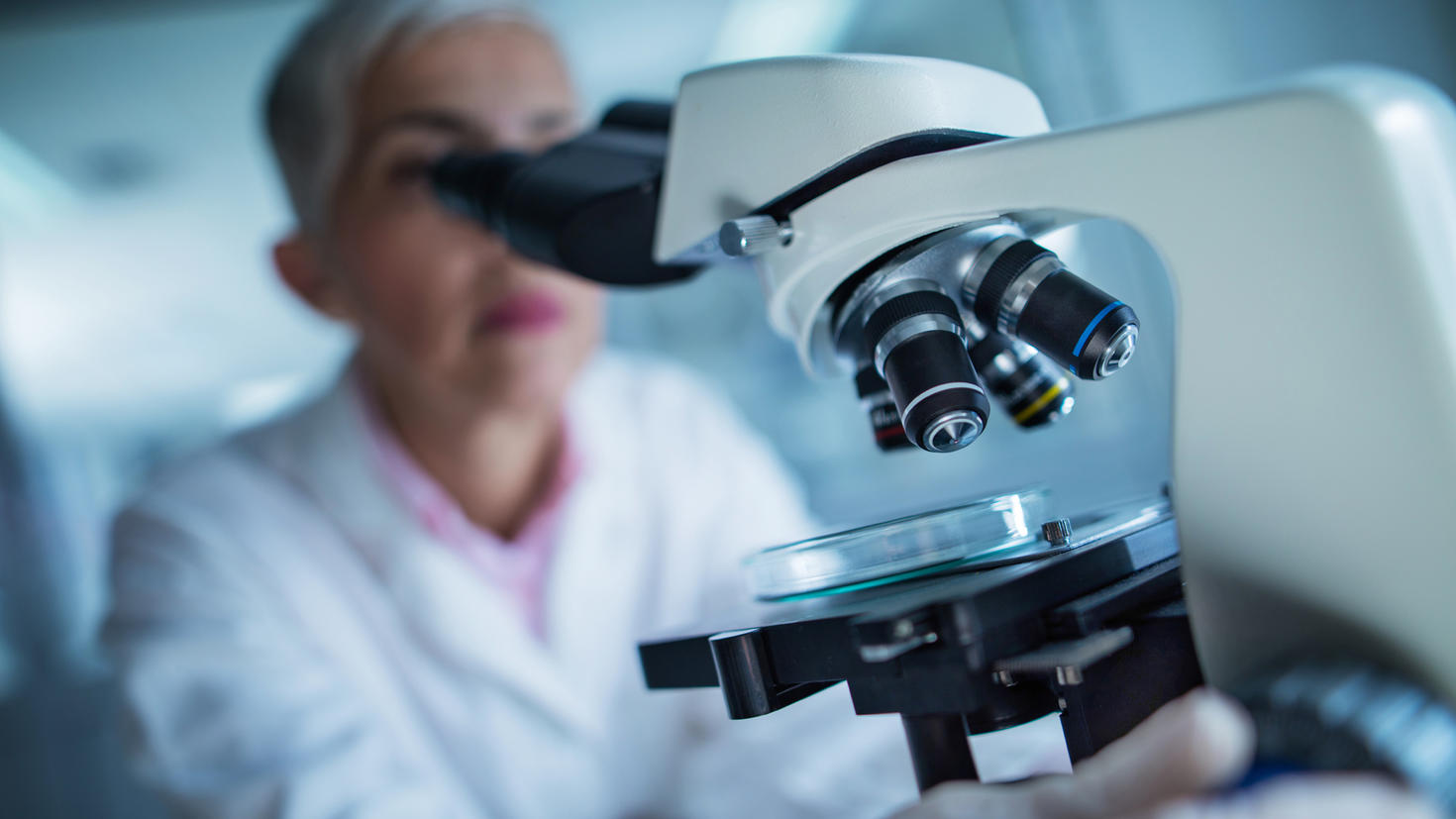
A significant component of the course is laboratory-based training. Students will gain practical experience in microbiological techniques such as culturing, staining, microscopy, and molecular diagnostic methods. They will learn how to isolate and identify pathogens, interpret laboratory results, and apply diagnostic procedures used in clinical microbiology laboratories.
The course also addresses antimicrobial agents and resistance, a growing global health concern. Students will study how antibiotics and antiviral drugs work, as well as the mechanisms through which microorganisms develop resistance. This knowledge is essential for understanding treatment strategies and infection control practices.
In addition, the course emphasizes infection prevention and control, including sterilization, disinfection, and public health measures to limit the spread of infectious diseases. Students will engage in case studies and real-world scenarios to strengthen their analytical and decision-making skills.
By the end of the course, students are expected to:
- Understand the biology and classification of medically important microorganisms
- Identify pathogens and explain their role in causing disease
- Perform and interpret basic microbiological laboratory tests
- Analyze host immune responses to infections
- Evaluate antimicrobial treatments and resistance patterns
- Apply infection control and prevention strategies
Graduates of this specialization will be well-equipped for careers in clinical laboratories, hospitals, pharmaceutical industries, research institutions, and public health organizations, where they contribute to disease diagnosis, treatment, and prevention.
Notes et avis de l’apprenant


