Bachelor in Laboratory Sciences in Chemical and Medical Pathology #001
À propos du cours
Course Overview: Laboratory of Chemical Pathology and Medicine
The Laboratory of Chemical Pathology and Medicine course provides a detailed and practical understanding of the biochemical processes underlying human health and disease, with a strong focus on laboratory diagnostics. This course is designed for students pursuing careers in medicine, biomedical sciences, and clinical laboratory practice, equipping them with the knowledge and technical skills required to analyze and interpret laboratory results in a clinical context.
The course explores the role of chemical pathology (clinical biochemistry) in the diagnosis, monitoring, and management of diseases. Students will study key biochemical markers and their clinical significance, including those related to organ function such as the liver, kidneys, heart, and endocrine system. Topics include glucose metabolism and diabetes, lipid profiles and cardiovascular risk, electrolyte balance, enzyme function, and hormonal regulation.
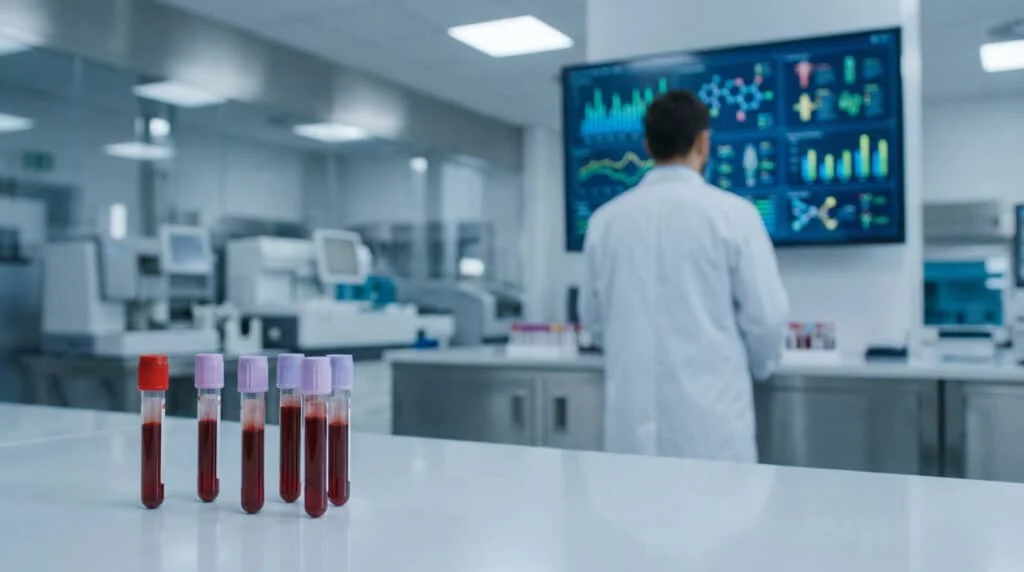
A central component of the course is laboratory practice. Students will gain hands-on experience with common diagnostic techniques and instruments used in modern clinical laboratories. This includes sample collection and handling, analytical methods such as spectrophotometry and immunoassays, quality control procedures, and result validation. Emphasis is placed on accuracy, precision, and adherence to laboratory standards.
The course also examines the interpretation of laboratory data in clinical decision-making. Students will learn how to correlate biochemical results with patient symptoms and medical history, enabling them to contribute effectively to diagnosis and treatment planning. Case-based learning is used extensively to develop analytical thinking and problem-solving skills.
In addition, the course addresses laboratory management, safety protocols, and ethical considerations, including patient confidentiality and responsible handling of biological samples.
By the end of the course, students are expected to:
- Understand the biochemical basis of disease and its clinical implications
- Perform and interpret common laboratory tests used in chemical pathology
- Apply laboratory techniques and maintain quality control standards
- Analyze and correlate laboratory results with clinical conditions
- Demonstrate awareness of laboratory safety, ethics, and best practices
Graduates of this course will be well-prepared for roles in hospital laboratories, diagnostic centers, research institutions, and clinical support services, where they play a critical role in supporting accurate diagnosis and effective patient care.
Notes et avis de l’apprenant


