Bachelor in Planetary Health Sciences #001
À propos du cours
Course Overview: Planetary Health Sciences
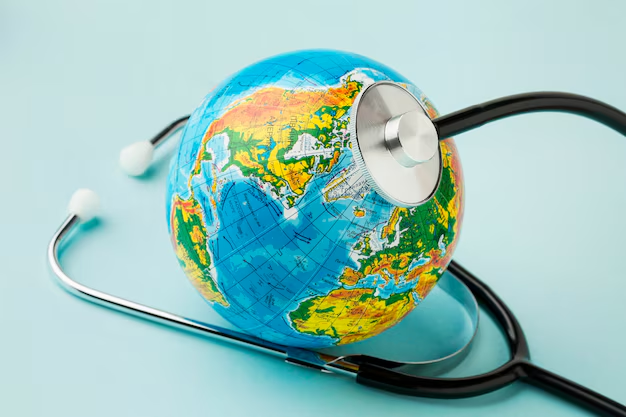
The Planetary Health Sciences course explores the critical relationship between human health and the state of the Earth’s natural systems. It is an interdisciplinary program designed for students interested in understanding how environmental changes such as climate change, pollution, biodiversity loss, and resource depletion directly and indirectly impact human health and well-being.
Throughout the course, students will examine the scientific foundations of planetary health, including ecology, environmental science, and public health. Key topics include climate change and its health effects, air and water pollution, food systems and nutrition, urbanization, and the spread of infectious diseases influenced by environmental factors. The course also addresses emerging global challenges such as extreme weather events, environmental degradation, and their implications for vulnerable populations.
A strong emphasis is placed on systems thinking, enabling students to understand the complex interactions between human activity, environmental change, and health outcomes. Students will analyze how economic development, population growth, and policy decisions contribute to environmental pressures and health risks.
The course also focuses on solutions and sustainability. Students will explore strategies to mitigate environmental damage and promote resilient health systems, including sustainable development practices, environmental policy, renewable energy transitions, and community-based interventions. The role of international cooperation and global health governance is also examined.
Practical learning is integrated through case studies, data analysis, and project-based work, allowing students to assess real-world scenarios and propose evidence-based solutions to planetary health challenges.
By the end of the course, students are expected to:
- Understand the links between environmental change and human health
- Analyze the impact of climate and ecological factors on disease patterns
- Apply systems thinking to complex global health challenges
- Evaluate strategies for sustainability and environmental protection
- Develop solutions that promote both human and planetary well-being
Graduates of this course will be prepared for careers in public health, environmental policy, research, international development, and sustainability initiatives, where they can contribute to addressing some of the most pressing global challenges of the 21st century.
Notes et avis de l’apprenant